
CEAC 2025 reflections: Making the case for fundraising investment in a small shop
A highlight of 2025 for the Cairney & Company team was exhibiting at the CASE Europe Annual Conference (CEAC). CEAC’s three days offered an inspiring celebration of educational advancement, and an opportunity to deeply connect, learn and reflect on the emerging changes that are shaping our sector.
This year, C&C Senior Partner Kurstin Finch Gnehm delivered a session alongside Sophie Thorp, Head of Philanthropy, Alumni & Supporter Engagement at the University of Salford, and Juan Pablo Garrido, Director of Development at UIC Barcelona. Their conversation explored the challenges and strategies involved in securing internal investment for small fundraising teams.
Here, we share highlights from their session, and reflections on how they tie into the wider themes that shone through at CEAC.
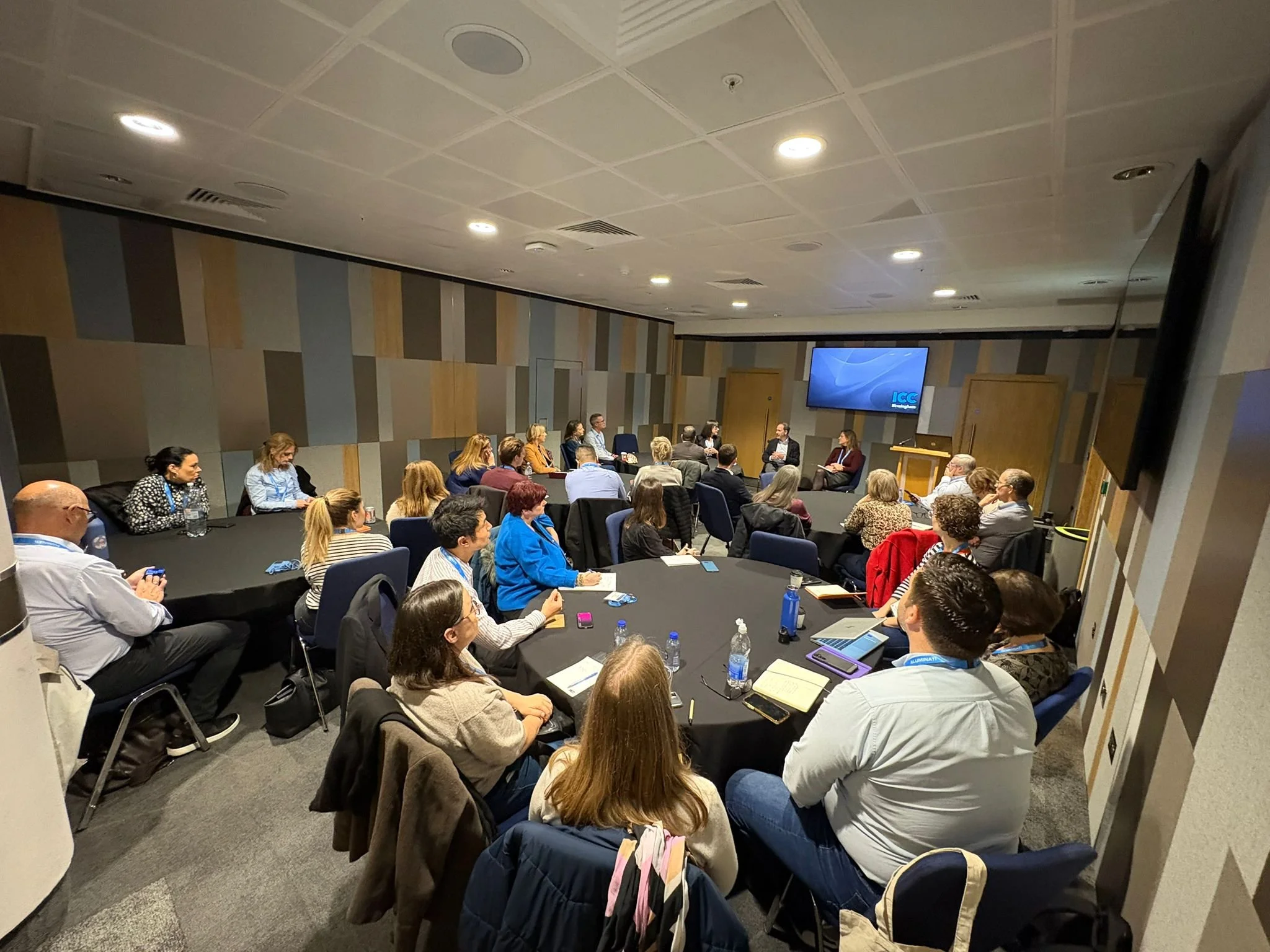
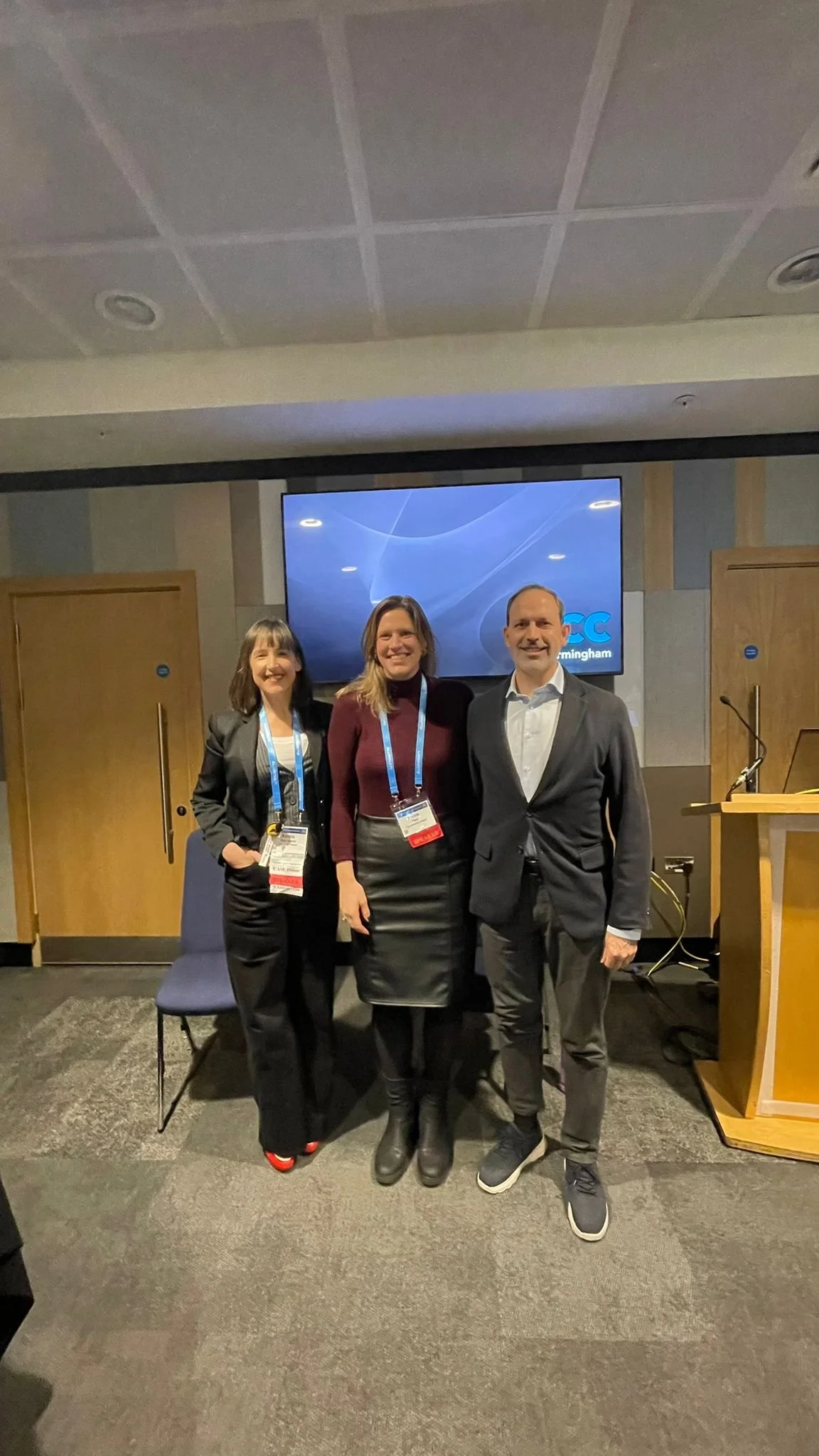
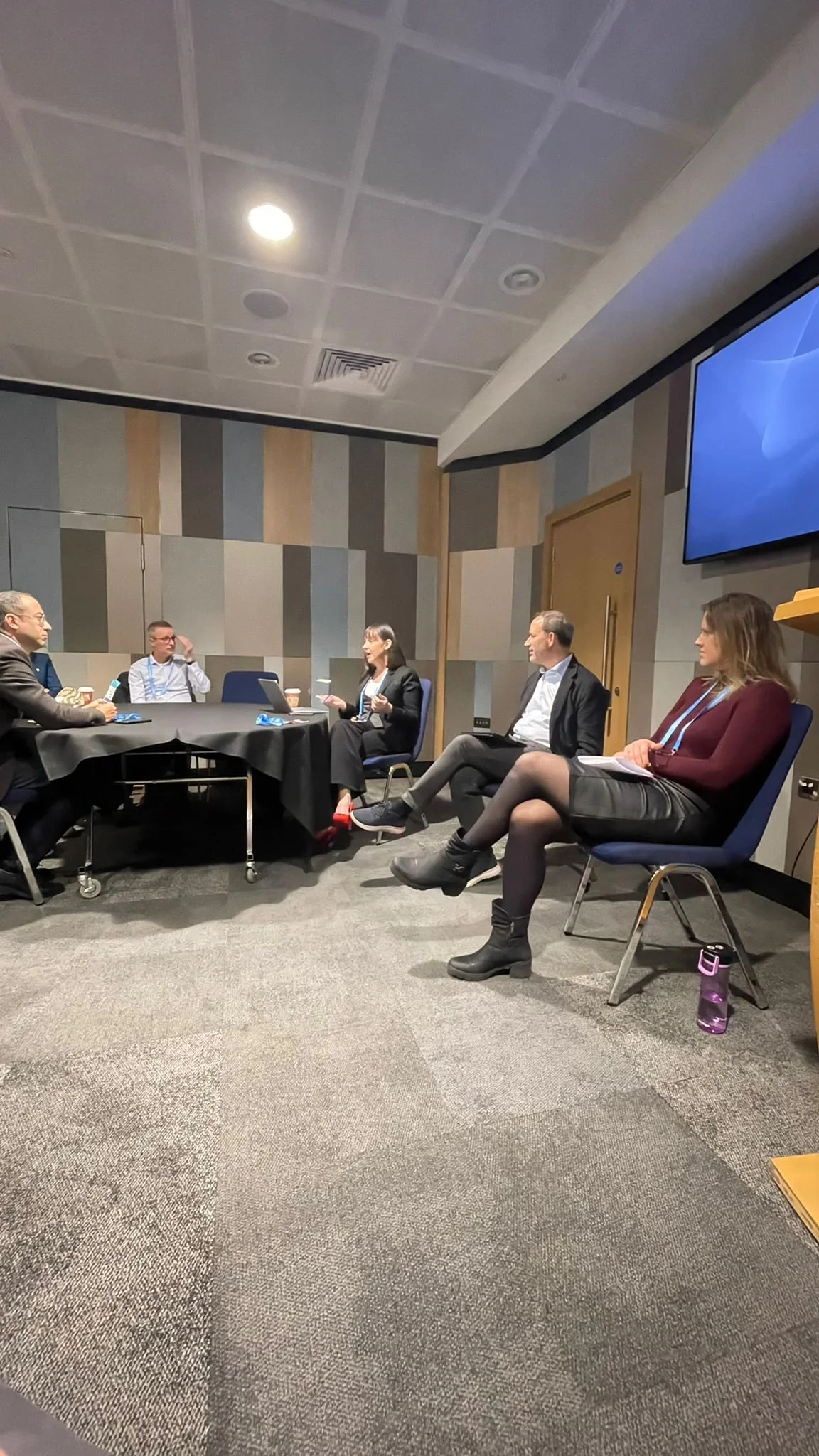
Session (pictured above): The room where it happens: Winning leadership backing for your fundraising vision (in a small shop)
In this session, our speakers unpacked how they had worked to secure internal investment in their programmes – what worked, what didn’t, and what they learned.
With a strong turnout and real energy in the room, attendees contributed thoughtfully, and several key themes emerged from the discussion.
Be strategic about where you spend your time and capital. With limited resources, focus your investment on the fundraising roles, activity and infrastructure that will create the strongest, most sustainable impact.
Make internal relationships a priority. Building good rapport with your CFO, Head of Corporate Finance and other key operational partners is a critical step to securing leadership buy-in, but make sure to build relationships at every level and across the organisation. However, don’t assume that your colleagues understand fundraising.
Talk about ROI, but be creative. As well as the key financials, things like alumni engagement, pipeline health, donor lifetime value and qualitative impact can all help tell a compelling ROI story.
Patience pays off. Just as it takes time to gain buy-in from donors, it may take repeated efforts to articulate your team’s value internally. Keep your messaging as consistent and deliberate the fifteenth time you say it as you do the first time.
Add value carefully. Support your wider organisation, but avoid mission creep and absorbing responsibilities that should sit elsewhere. Ensure that your team members are empowered to raise concerns if boundaries start to blur.
Getting investment from senior leadership is challenging but vital to success in small shops, and there are practical steps you can take. With this in mind, we created an actionable 11-step checklist for securing internal investment in small fundraising teams, ready for attendees to take back to their institutions. If you’d like a copy, get in touch with us.
Wider CEAC takeaways: How these themes tie in
Our session and the discussion it sparked reflected several broader themes running across CEAC 2025.
Tightening belts mean fundraisers must prove value more than ever. Every budget line is scrutinised, and demonstrating return – in financial terms and beyond – is now a core skill. Strong attendance at our session, which focussed on securing internal investment, demonstrated that this is top of mind at numerous institutions.
Championing fundraising internally is essential. Being able to make the case confidently for why fundraising is not just a nice-to-have, but a strategic imperative, has never been more important.
Strategy must reflect institutional values and priorities. Leadership support comes more easily when your strategy speaks the language of the organisation. It’s not just about demonstrating need, but showing alignment with institutional values and priorities.
Internal relationships are the engine. Speakers across CEAC pointed to relationships with CFOs, Deans, Heads of School and other senior leadership as a key force behind successful programmes.
Consider how AI can help you streamline. AI was the buzzword at CEAC, with many sessions discussing how it can create efficiencies. Within the bounds of your institution’s policies, it’s worth exploring how AI could help your team save time and focus on strategic priorities that truly move the needle.
You’re not alone in this. If things feel difficult, recognise that you have a community of fundraisers around you who are navigating the same challenges. Lean on your network – their insights can support your own journey.
Don’t forget to get in touch with us if you’d like to receive a copy of our checklist for securing internal investment in small fundraising teams.
With thanks to Sophie Thorp, Juan Pablo Garrido and CASE Europe.